
Bakery Certificate Course vs Self-Learning: Which Gets You Job-Ready?
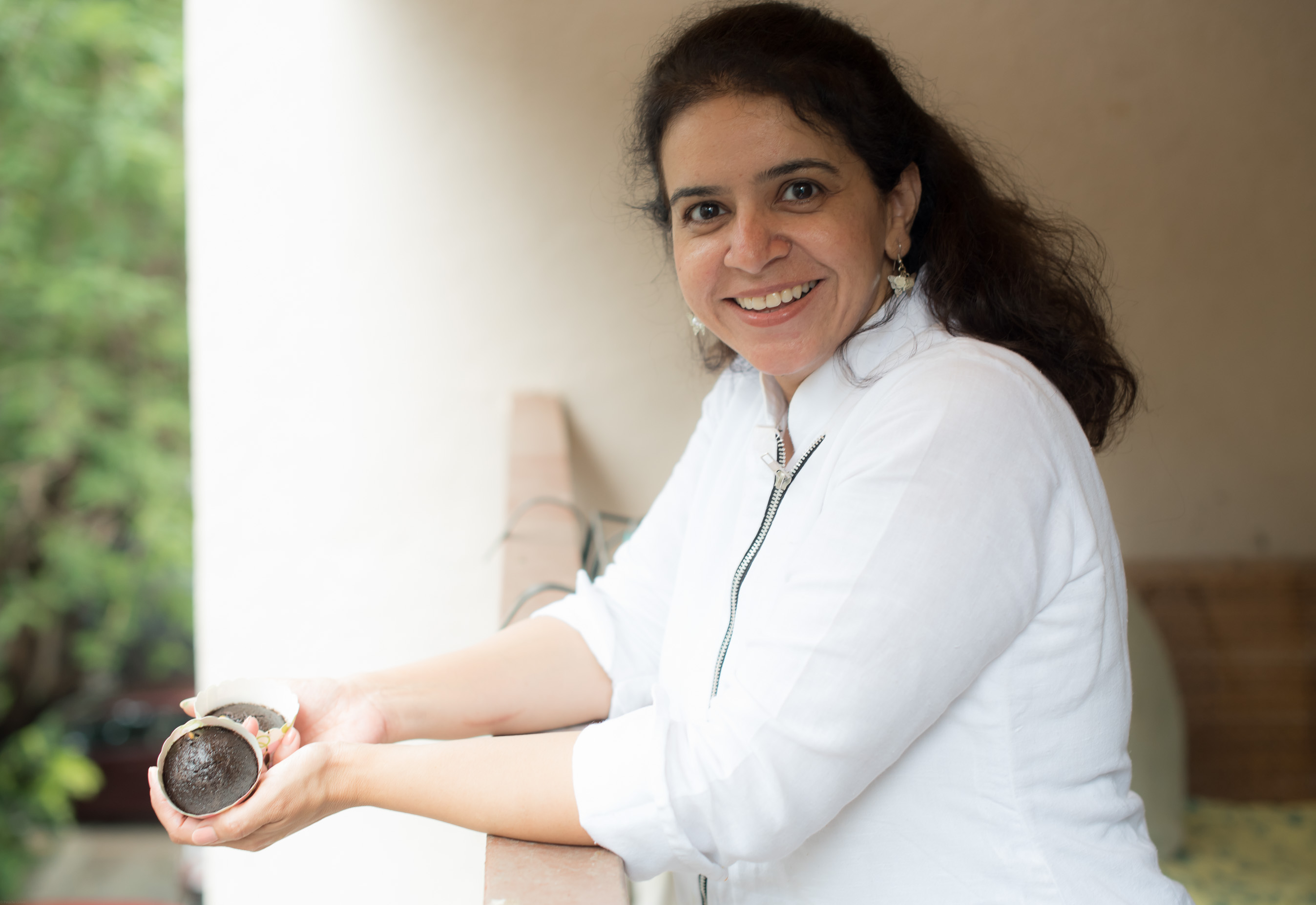

You've taught yourself a fair bit already. A few cakes that turned out genuinely good, some breads that finally rose, the quiet confidence that comes from a kitchen you've made your own.
Now you're wondering whether to make it real. A job, a small business, paying clients who expect more than your family ever did.
And right there sits the question that stalls most people. Do you need a bakery certificate course, or can you keep learning on your own and get there anyway?
Both paths are valid. Plenty of working bakers came up entirely self-taught, and plenty of certified ones still can't run a real kitchen. So this isn't a sales pitch dressed as a guide. It's the honest version of where a certificate genuinely changes your outcome, and where it honestly doesn't.
What Self-Learning Gets You (and Where It Stops)
Self-learning is underrated. You move at your own speed, you bake what excites you, and you build real skill on the recipes you actually care about. For a hobby, or a slow side hustle selling to friends, that's often enough.
But here's where the road tends to end. You learn what you choose to learn, which means the gaps stay invisible to you. You'll nail a chocolate cake and never once touch food costing, hygiene certification, or how to scale a recipe from six portions to sixty without it falling apart. The things that separate a home baker from a professional are usually the exact things nobody teaches themselves, because you don't know they're missing.
That's the real ceiling. Not skill. Blind spots.
A self-taught baker is only as strong as the things they thought to look up.
Where a Bakery Certificate Course Actually Earns Its Place
A good bakery certificate course doesn't just teach recipes. It teaches the boring, profitable stuff around them.
Costing. Pricing. Hygiene standards. Licensing. How to plan a menu that actually makes money instead of just looking pretty on Instagram. These are the modules people skip when they teach themselves, and they're precisely the ones that decide whether a bakery survives its first year. Our Intermediate Bakery Course was built around this gap, pairing national and international recipes with branding, licensing guidance, and product costing in one structured run.
Structure is the other quiet advantage. A course teaches you in the right order, so you understand creaming before laminating and basics before business. No random YouTube rabbit holes.
You learn the thing, then you learn how to earn from it. That order matters.
The Certificate Itself: Does It Open Doors?
Let's be honest about the paper. A certificate doesn't bake the cake. Your hands do.
But it does something real in three situations. When you apply for a job at a bakery or cafe, a certificate tells a hiring manager you've been trained to a standard, not just winging it from reels. When a client is choosing who bakes for their wedding, it's quiet proof you take this seriously. And when you apply for a loan or a licence to start your own place, formal training carries weight that a folder of nice photos simply doesn't.
For a purely home-based hobby, the certificate matters little. For anything where someone else has to trust you with money or an event, it matters more than people admit.
It's not magic. It's credibility you can hand someone before they've tasted a thing.
Client Trust Is Built Before the First Bite
Think about how a customer actually chooses a baker. They can't taste anything yet. They're judging on whatever signals they can see.
A certified baker walks into that conversation with an advantage. Training, a recognised course, the language to talk confidently about hygiene and ingredients and process, it all tells a nervous client they're in safe hands before a single sample leaves your kitchen. That trust is what lets you charge what your work is worth, instead of competing on price with every home baker in your society WhatsApp group.
Self-taught bakers can absolutely build that trust too. It just takes longer, usually one happy client at a time, through years of word of mouth.
A certificate buys you some of that trust upfront. Time is the thing it really saves.
So Which One Actually Gets You Job-Ready?
Here's the straight answer. If "job-ready" means a hobby that earns a little, self-learning can get you there. If it means a job, a registered business, or clients who pay professional rates, a structured course gets you there faster and with fewer expensive mistakes.
The smartest path is rarely all-or-nothing. Keep teaching yourself, keep experimenting at home, and let a certified course fill the specific gaps you can't see from inside your own kitchen. Many of our students arrive already self-taught and good. What they come for is the structure, the business side, and the confidence to finally charge for it. Our certified baking courses are built for exactly that handover.
You don't have to choose one forever. You just have to know what you're missing.
Frequently Asked Questions
Is a bakery certificate course really necessary to get a job?
Not strictly necessary, but it genuinely helps. Many bakeries and cafes prefer candidates with formal training because it signals a known standard and less hand-holding on the job. If you're self-taught and skilled, you can still get hired, especially with a strong portfolio. A certificate mostly shortens the trust-building and gets your foot in the door faster.
Can I start a successful baking business without any certification?
Yes, plenty of people do. Certification isn't legally required to sell baked goods from home in most cases. What you genuinely need is food safety knowledge, accurate costing, and consistent quality. A course bundles those together, which is why many self-taught bakers eventually take one. It's less about the paper and more about the business skills that come with it.
What does a bakery certificate course teach that I can't learn online for free?
Mostly the unglamorous, profitable parts. Free content teaches you recipes brilliantly, but rarely costing, pricing, hygiene standards, licensing, or how to scale a recipe for orders. A structured course also teaches in the right sequence and gives you live feedback on your hands and technique. That combination of business knowledge and real-time correction is hard to assemble on your own. Professional courses not only teach recipes but science behind the recipes and once u know that the troubleshooting becomes easy.
How long does a bakery certificate course usually take?
It depends on the depth. A focused beginner course can run about a month, while a more advanced professional program with business modules often runs around six weeks. Shorter than most people assume. The goal isn't to keep you in class for a year, it's to hand you job-ready skills, a recipe document, and the confidence to start, in a realistic timeframe.
Still weighing it up? If you've taught yourself this far and want the structure, the business side, and the credibility to go professional, that's exactly the gap our courses are built to close. Explore our certified baking courses and pick the one that matches where you're headed.


Comments