
Certificate Course in Cake Decorating: Who It's For and What You'll Master
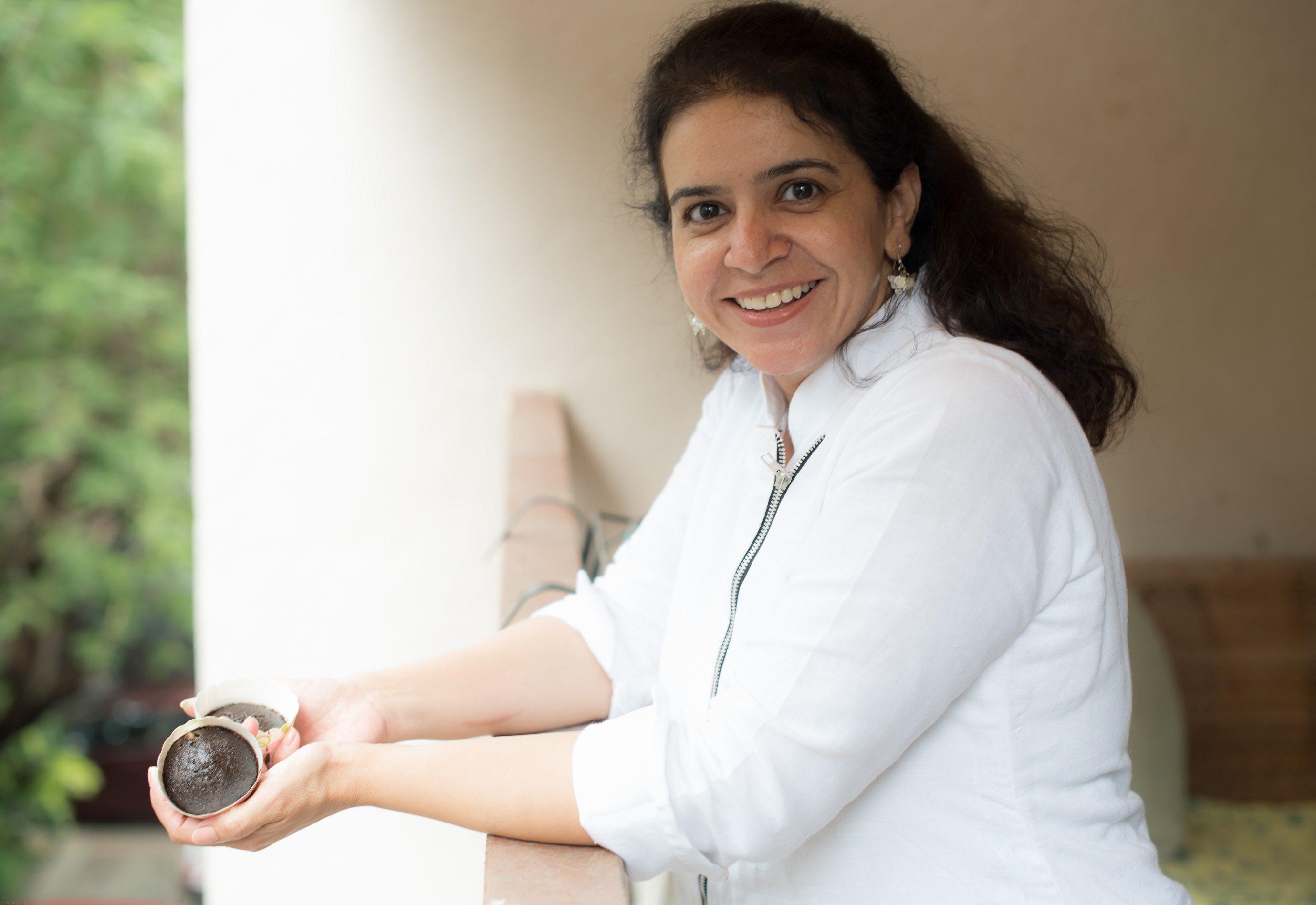

You can already bake a decent cake. The sponge comes out soft, the flavour is there, your family is impressed. But then you look at it sitting on the plate, a little lopsided, frosting smeared on with a butter knife, and you know. The taste is ready. The look isn't.
That gap is where almost every home baker gets stuck. Baking and decorating are two different skills, and the second one is the one that turns a homemade cake into something people will actually pay for.
So who genuinely needs a cake decorating course, and what do you walk away able to do? Let me be specific, because "you'll learn decoration" tells you nothing useful.
Who This Course Is Actually For
Not everyone needs a certificate in cake decorating. Let's be honest about that first.
But there's a clear kind of person this is built for. The home baker whose cakes taste great but never look the part. The hobbyist who's been asked "can you make one for my daughter's birthday?" and froze, because flavour was never the problem, finish was. The working professional quietly planning an exit into something they love. And the existing baker losing orders to prettier competitors who can't bake half as well as them.
If you read those and one of them is just you, you're the right fit. If you've never baked at all, start with a foundation course first.
This is for people with taste in their hands and a gap in their finish.
The Foundation You'll Get First
Good decoration doesn't sit on a bad base. So a real cake decorating course starts before the piping bag.
You'll learn to bake sponges that are actually built to be decorated, sturdy enough to hold layers and weight without sinking in the middle the moment you stack them. Then come the frostings, the commercial-grade ones that hold their shape in Indian heat and don't slide off by evening. Swiss meringue buttercream, ganache, whipped finishes, each suited to a different job. Most home bakers only know one frosting. That single limitation quietly caps everything they can make.
You'll master crumb coats, sharp edges, and a smooth finish that looks bought, not homemade.
This is the part self-taught bakers skip. It's also the part that shows.
The Decorating Skills You'll Master
Here's the part you came for. The actual decoration.
You'll learn piping that holds its shape, the classic borders that frame a cake properly, and the buttercream techniques behind the vintage and lambeth styles flooding every feed right now. Fondant work too, the smooth covering and the accents that make a cake look professionally finished rather than craft-project homemade. Tiered cakes, the structure and dowelling that keeps a two-tier from collapsing at someone's wedding, which is not a mistake you want to learn through experience. Colour theory, texture, balance, the eye for what makes one cake look elegant and another look busy.
Skills compound here. Each technique unlocks ten more cakes you couldn't make before.
By the end, you're not following a reference photo. You're designing your own.
The Business Skills Nobody Expects
Here's what surprises people. The most valuable module often isn't a decorating one.
Knowing how to decorate a stunning cake means little if you price it at a loss. So a proper course teaches you cake costing, how to price for profit instead of guessing, and how to plan a menu clients actually order from. You learn what to charge for a custom three-tier versus a simple birthday cake, how to quote without underselling yourself, and how to talk to a client so they trust you with their big day. Our Cake Baking and Decorating course folds all of this into the same run, because skill without pricing sense is just an expensive hobby.
This is what separates a baker who earns from one who just bakes.
Decoration gets you the order. Costing keeps the order worth taking.
Why the Certificate and the Studio Matter
You can learn bits of this from videos. You can't learn the feel of it.
A real piping consistency, the exact pressure for a clean rose, the moment fondant is rolled right, these are things a teacher corrects in your hands in seconds and a screen never will. That's the whole case for offline cake decorating classes over watching alone. The certificate matters too, in the moments that count. When a client choosing a wedding cake wants proof you're trained, or when you're building a brand that needs to look credible from day one, formal training is quiet reassurance before they've tasted a thing. Our studio in Aundh runs this hands-on, with all materials provided and after-class support so you're not stuck the first time you try it solo.
Watching teaches you what's possible. Doing teaches you how.
You leave able to make the cake, not just admire it.
Frequently Asked Questions
Do I need baking experience before a cake decorating course?
Some basic baking helps, but a good course covers the cake base too, so you're not decorating store-bought sponges. If you've baked even a few cakes at home, you're ready. If you've genuinely never baked, a beginner foundation course first will serve you better. Decoration sits on top of solid baking, so a little groundwork makes the decorating far easier to absorb.
What's the difference between cake decorating courses and a full baking course?
A full baking course covers breads, cookies, and a wide range of bakes, while cake decorating courses go deep on cakes specifically, the sponges, frostings, piping, fondant, and finish. If your goal is custom cakes, birthdays, and wedding work, the focused cake route gets you there faster. If you want broad bakery skills, the general course suits you better.
Will a cake decorating certificate help me start a home cake business?
Yes, in two ways. It builds client trust, since a trained baker is easier to book for someone's important event, and the better courses include costing and pricing so you actually earn from it. The certificate alone won't get you orders, but paired with real skill and pricing sense, it gives a new cake business genuine credibility from the start.
How long does it take to learn cake decorating properly?
You can learn the core techniques in a focused short course, often around five days of intensive hands-on practice. Mastery, the kind where designs come from your own head, builds over months of doing real cakes afterward. The course hands you the techniques, the recipes, and the confidence. The practice after is what turns those into a style that's recognisably yours.
If your cakes taste better than they look, that's a fixable gap, and it's exactly the one this course is built to close. Come learn the sponges, frostings, piping, and pricing hands-on in our Aundh studio, with everything provided. Explore our Cake Baking and Decorating course and start making cakes people remember.


Comments